
Medically reviewed by Dt. Erdem Çetin, DDS · Last updated: September 2026
🦷 Quick answer: For most healthy adults missing one or more teeth, dental implants are worth it. They are the only tooth-replacement option that preserves jawbone, they carry a 10-year survival rate of around 95-97%, and they can last a lifetime, so the cost per year is often lower than bridges or dentures that need replacing every 5 to 15 years.
A dental implant is a significant decision, both for your health and your budget. So the honest question most patients ask is not "what does it cost?" but "is it actually worth it?" The answer depends on the value you get back over time, not just the price on day one.
In this guide we weigh the real benefits of dental implants against their cost, using long-term survival data, longevity comparisons, and simple total-cost maths. By the end, you will know whether implants are the right investment for your smile, and how to make them more affordable without compromising on quality.
The Short Answer: When Implants Are Worth It
Dental implants are usually worth it when you want a permanent, natural-feeling replacement that protects your long-term oral health. They are the strongest candidate when:
- You are missing one or more teeth and want to avoid grinding down healthy neighbouring teeth (as a bridge requires).
- You want to stop the jawbone loss that follows tooth loss and dentures.
- You value a fixed solution you can forget about, rather than something you remove and soak each night.
- You are in good general health with enough jawbone, or you are open to a graft.
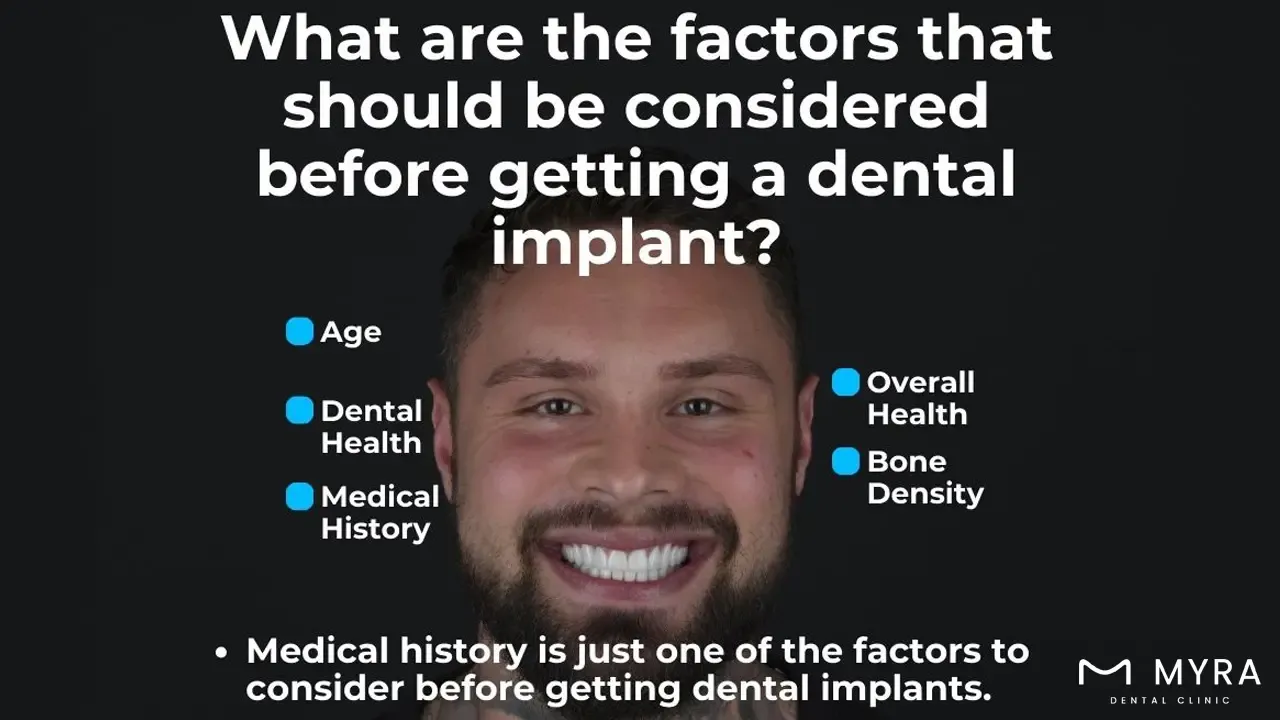
They may be worth pausing on if you have uncontrolled diabetes, are a heavy smoker, have untreated gum disease, or need a short-term fix only. In those cases, a consultation will tell you whether to treat the underlying issue first or consider an alternative.
Is everyone a candidate for implants?
Most healthy adults are. Age is rarely a barrier on its own. What matters more is bone density, gum health, and any conditions that affect healing. A 3D CBCT scan during your consultation confirms whether you are ready or need a small preparatory step like a bone graft.
What the Data Says: Success Rates and How Long Implants Last
The strongest argument for implants is how reliably they last. This is where the "worth it" question is really decided.
A systematic review of long-term studies covering 7,711 implants, with an average follow-up of 13.4 years, found a 10-year survival rate of around 96.4%, with cumulative survival reported at 94.6% and minimal marginal bone loss of just 1.3mm on average. In plain terms: more than 9 in 10 implants are still doing their job well beyond a decade.
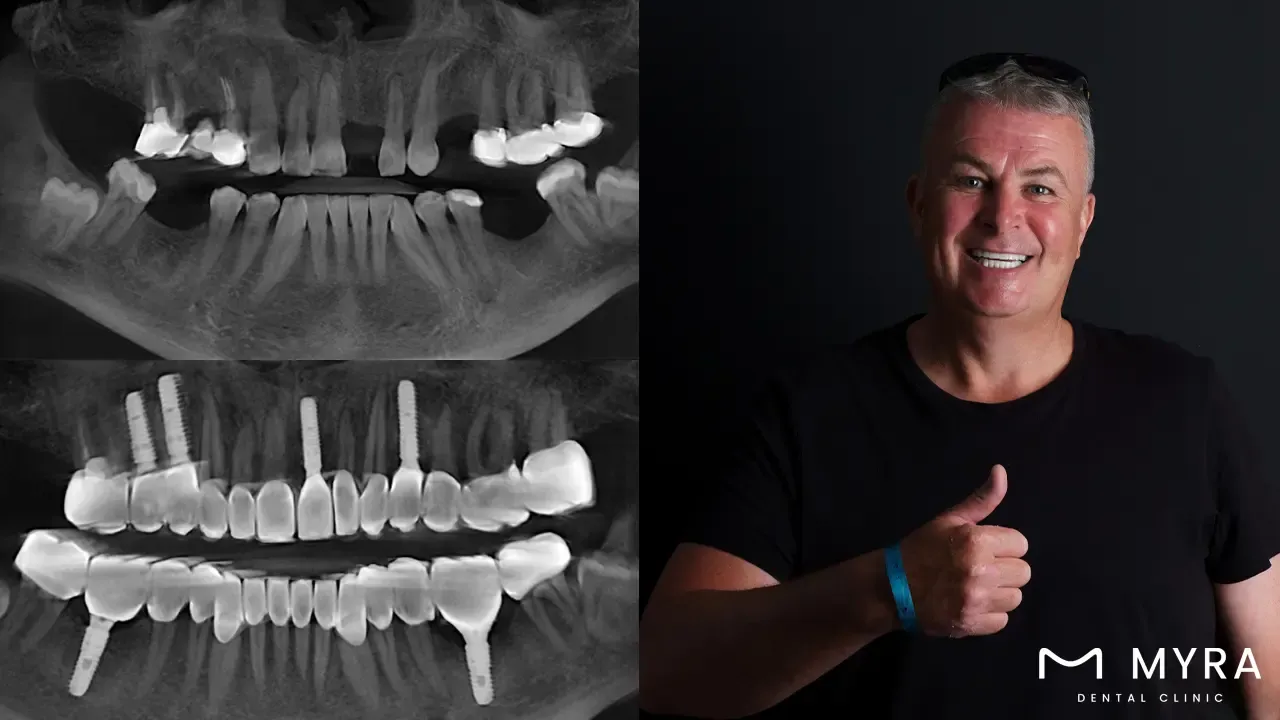
Here is how that longevity compares with the alternatives:
| Tooth replacement | Typical lifespan | Replacement over 30 years |
|---|---|---|
| Dental implant (post) | 25 years to lifetime | Often 0 (crown may be refreshed once) |
| Implant crown | 10-15 years | 1-2 times |
| Dental bridge | 10-15 years | 2-3 times |
| Dentures | 5-8 years | 4-6 times |
The implant post itself is designed to stay with you for life. The visible crown on top may be refreshed once every 10 to 15 years through normal wear, but the foundation remains. A bridge or denture, by contrast, is something you will likely replace several times across your lifetime.
Why do implants last so much longer?
Through osseointegration - the process where the titanium post fuses directly with your jawbone. This creates a stable, living foundation that behaves like a natural tooth root. Bridges rely on neighbouring teeth, and dentures rest on gum and bone that gradually changes shape, which is why both need redoing more often.
The Real ROI: Total Cost of Ownership
A single implant costs more than a denture or bridge on day one. But "worth it" is about cost over time, not cost on day one. When you divide the price by the years of service, the maths often favours implants.
Consider a simple 30-year view. Replacing a denture every 6 years, or a bridge every 12 years, means paying again and again. An implant is usually a one-time investment for the post, with at most a crown refresh along the way.
This is also where treatment location changes the picture dramatically. The same quality implant costs far less in Turkey than in the UK, which improves the return on your investment without changing the clinical outcome.
| Option | Indicative UK price | Indicative Myra price (Antalya) | Saving |
|---|---|---|---|
| Single implant (premium brand) | from £3,000 | from £800 (Straumann) | up to ~70% |
| Single implant (quality brand) | from £2,500 | from £400 | up to ~80% |
Prices are indicative and correct as of September 2026. For full, current pricing see our dedicated guides linked below.
When a premium Straumann implant in Turkey costs a fraction of the UK price and lasts decades, the cost-per-year of a confident, fixed smile becomes genuinely small. That is the heart of the value case.
For a full breakdown of what drives the price, see our guide to the cost of dental implants, and for country-by-country figures, read how much dental implants cost in Turkey.
5 Benefits That Justify the Cost
Beyond longevity, implants deliver value in ways that protect your health and confidence for years.
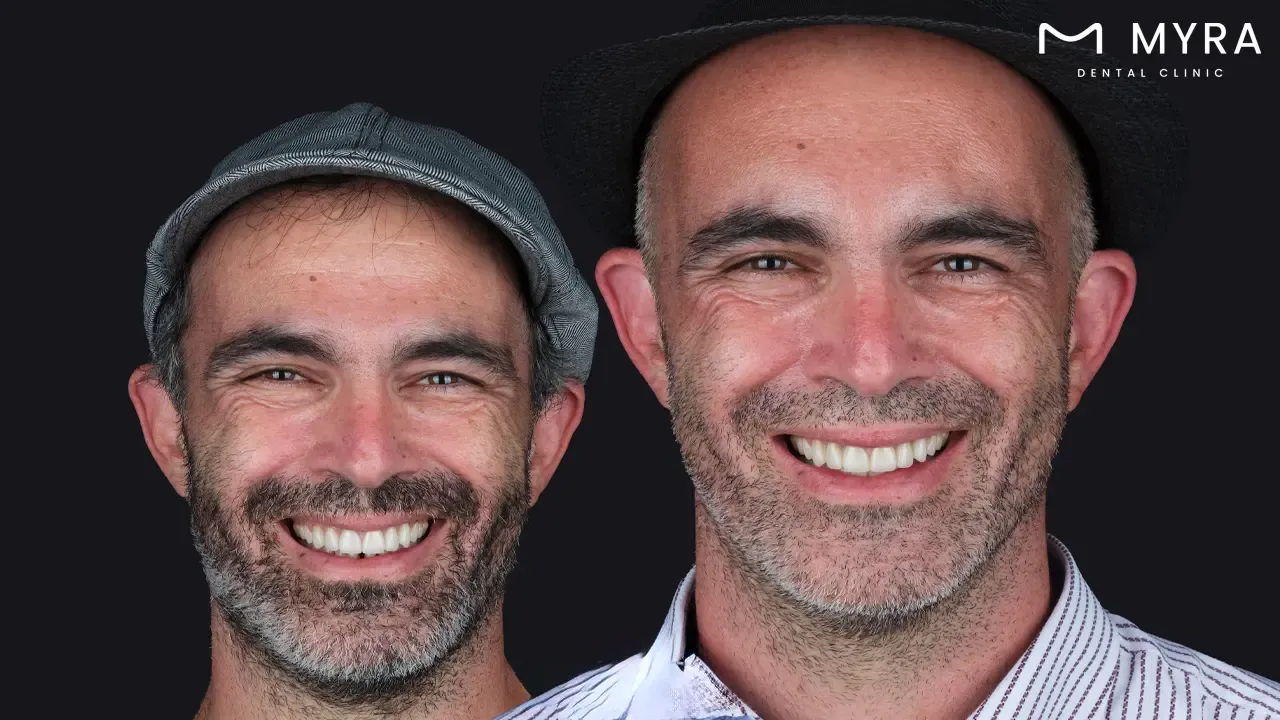
1. Bone preservation. After a tooth is lost, the jawbone beneath it starts to shrink. Implants are the only option that stimulates the bone like a natural root, preventing the deterioration that leads to a sunken, ageing appearance.
2. Natural function and feel. Implants restore close to full chewing power, so you can eat the foods you love. They look, feel, and function like your own teeth, with no clicking, slipping, or adhesives.
3. No harm to healthy teeth. Unlike a bridge, an implant stands on its own. Your healthy neighbouring teeth are left untouched rather than filed down for support.
4. Stability and alignment. A gap lets surrounding teeth drift out of position over time. An implant holds the space and keeps your bite aligned.
5. Long-term oral health. A fixed implant is easy to brush and floss like a natural tooth, and it removes the bacteria trap that an empty gap can create.
Are implants better than a bridge for a single missing tooth?
For most patients, yes. A bridge is quicker and cheaper upfront, but it requires reshaping two healthy teeth and does nothing to stop bone loss. An implant preserves bone and your healthy teeth, which is why it usually wins on long-term value. Compare both in our guide to implants versus bridges.
What It Costs in Brief
Pricing is the most common worry, and the good news is that it varies far more by location than by clinical quality. In the UK, a single implant typically starts from £2,500 and rises with London overheads, premium materials, and added procedures like bone grafting. In Turkey, the same calibre of treatment starts from a few hundred pounds, which is what makes dental tourism so popular among UK patients.
Rather than repeat the full pricing detail here, we keep our prices transparent and up to date on dedicated pages:
- How much dental implants cost in the UK
- How much dental implants cost in Turkey
- Full cost factors explained
Is It Worth Going to Turkey for Implants?
For many UK and European patients, travelling for treatment is the single biggest factor in making implants worth it. The savings are large enough to cover the trip and still leave you well ahead, and reputable clinics use the same global implant brands, such as Straumann, that you would find at home.
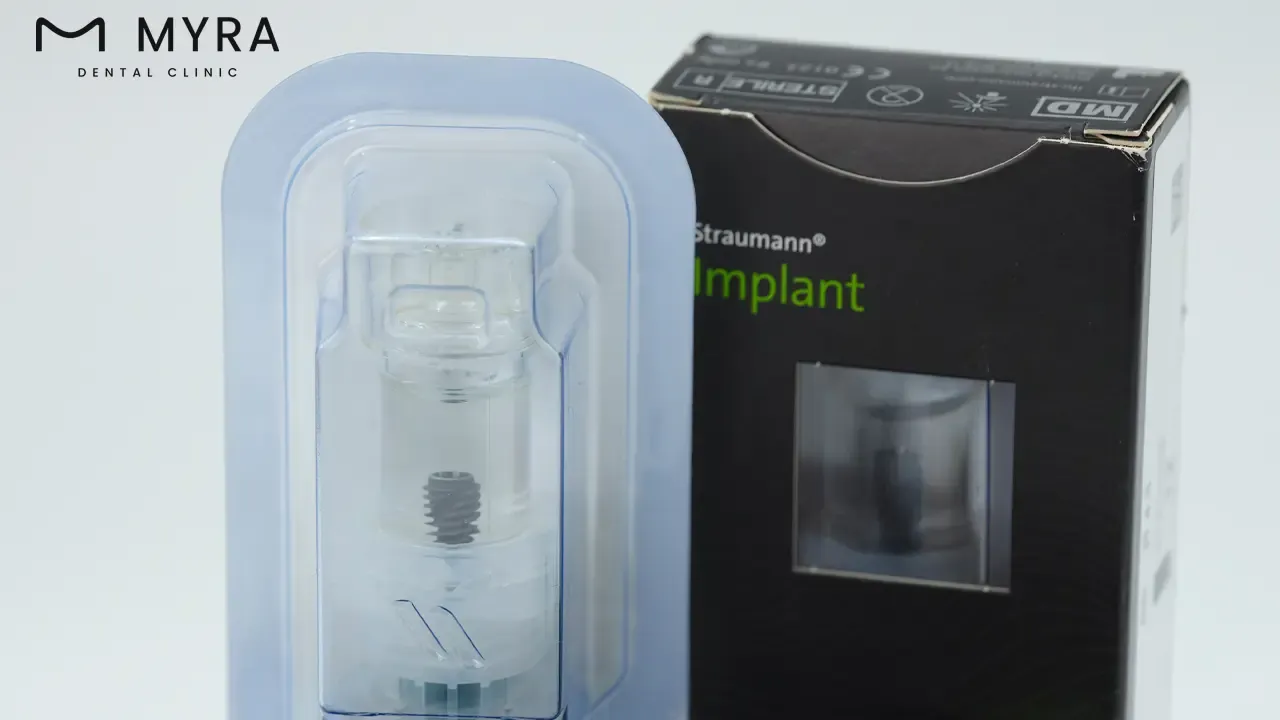
The key is choosing a clinic with the credentials, technology, and aftercare to match. At Myra Dental Centre in Antalya, treatment is carried out by an experienced implant team using 3D CBCT planning, with your consultation and scan included free. You can see real outcomes in our before and after gallery and read genuine patient reviews before you decide.
If you are weighing up treatment abroad, our guide to dental implants in Turkey and the things to know about dental implants abroad walk through the process step by step.
Risks and Who Should Think Twice
Implants have a high success rate, but no treatment is risk-free, and being honest about that is part of helping you decide. Risks are rare and usually preventable with proper planning and an experienced surgeon. They can include:
- Early implant failure if the post does not integrate, a risk that rises with uncontrolled diabetes, smoking, or infection.
- Minor surgical risks such as soft-tissue irritation or, very rarely, sinus or nerve involvement, minimised by 3D planning.
- Gum problems around the implant if cleaning is neglected, which is preventable with good hygiene.
The patients who should pause and treat first are heavy smokers, those with untreated gum disease, and anyone with poorly controlled health conditions that slow healing. A thorough consultation is designed to catch these factors early. For a full list, see the possible side effects of dental implants.
Results vary between individuals. The success and longevity of any implant depend on your oral health, general health, and aftercare. Always seek a personal consultation for advice tailored to you.
Implants vs Dentures vs Bridges
To bring the comparison together, here is how the three options stack up on the factors that decide long-term value.
| Factor | Implants | Bridges | Dentures |
|---|---|---|---|
| Longevity | 25 years to lifetime | 10-15 years | 5-8 years |
| Bone health | Preserves bone | No bone protection | Bone shrinks over time |
| Healthy teeth | Untouched | Neighbours filed down | Untouched |
| Stability | Fixed, like natural teeth | Fixed | Removable, can slip |
| Upfront cost | Highest | Medium | Lowest |
| Cost per year | Often lowest | Medium | Highest over time |
| Feel and function | Closest to natural | Good | Reduced bite and taste |
Dentures win on upfront price and bridges on speed, but implants lead on the measures that matter most over a lifetime: longevity, bone preservation, and cost per year of service.
The Verdict: Are Dental Implants Worth It?
For most people missing one or more teeth, dental implants are worth it. They are the only option that protects your jawbone, they survive at around 95-97% past the 10-year mark, and they can last a lifetime, which often makes their true cost per year lower than the alternatives. Add the savings available through treatment in Turkey, and the value case becomes stronger still.
The right answer for you depends on your oral health, your bone, and your goals, which is exactly what a proper consultation is for. If you would like a clear, no-pressure assessment of whether implants are worth it in your case, we would love to help.
Frequently Asked Questions
Are dental implants worth the money?
For most healthy adults, yes. With a 10-year survival rate of around 95-97% and a lifespan that can reach a lifetime, implants often cost less per year than bridges or dentures that need replacing every 5 to 15 years. They also protect bone and healthy teeth, adding long-term value beyond the price.
How long do dental implants last?
The implant post can last 25 years or a lifetime with good care. The visible crown may need refreshing every 10 to 15 years through normal wear. By comparison, bridges last 10 to 15 years and dentures 5 to 8 years.
What is the success rate of dental implants?
Long-term studies report a 10-year survival rate of about 96.4%, with cumulative survival around 94.6% across thousands of implants. Success depends on healthy gums, sufficient bone, good aftercare, and an experienced surgeon.
Are implants better than dentures or a bridge?
For long-term value, usually yes. Implants preserve bone, leave healthy teeth untouched, and last far longer. Dentures cost less upfront but need frequent replacement, and bridges require reshaping neighbouring teeth without protecting bone.
Why are dental implants cheaper in Turkey?
Lower overheads and cost of living, not lower quality. Reputable Turkish clinics use the same global brands, such as Straumann, that UK clinics use. This is why a premium implant can cost up to 70% less in Turkey while delivering the same clinical outcome.
Is it worth travelling abroad for dental implants?
For many UK and European patients, yes. The savings typically cover the trip and more, provided you choose an accredited clinic with experienced surgeons, modern technology, and proper aftercare. Always review credentials, before and after results, and patient reviews first.
Ready to Find Out If Implants Are Worth It for You?
The best way to answer the worth-it question for your own smile is a personal assessment. Your consultation and 3D scan at Myra Dental Centre are completely free, with no obligation and no pressure, just a clear conversation about your options.
💬 WhatsApp: +90 539 827 40 65
📧 Email: info@myradental.co.uk
📝 Book online: Get an appointment
We typically reply within a few hours. Send us a photo or your questions, and our team will help you understand exactly what your smile needs.

Dt. Erdem Çetin
Born in Stuttgart, Germany in 1979, Dr. Dt. Erdem Çetin began his education in Kırşehir and completed his schooling there, from primary school through to high school. He then successfully completed his university education at the Faculty of Dentistry at 19 Mayıs University in Samsun.
Share your phone number with us, we'll call you!