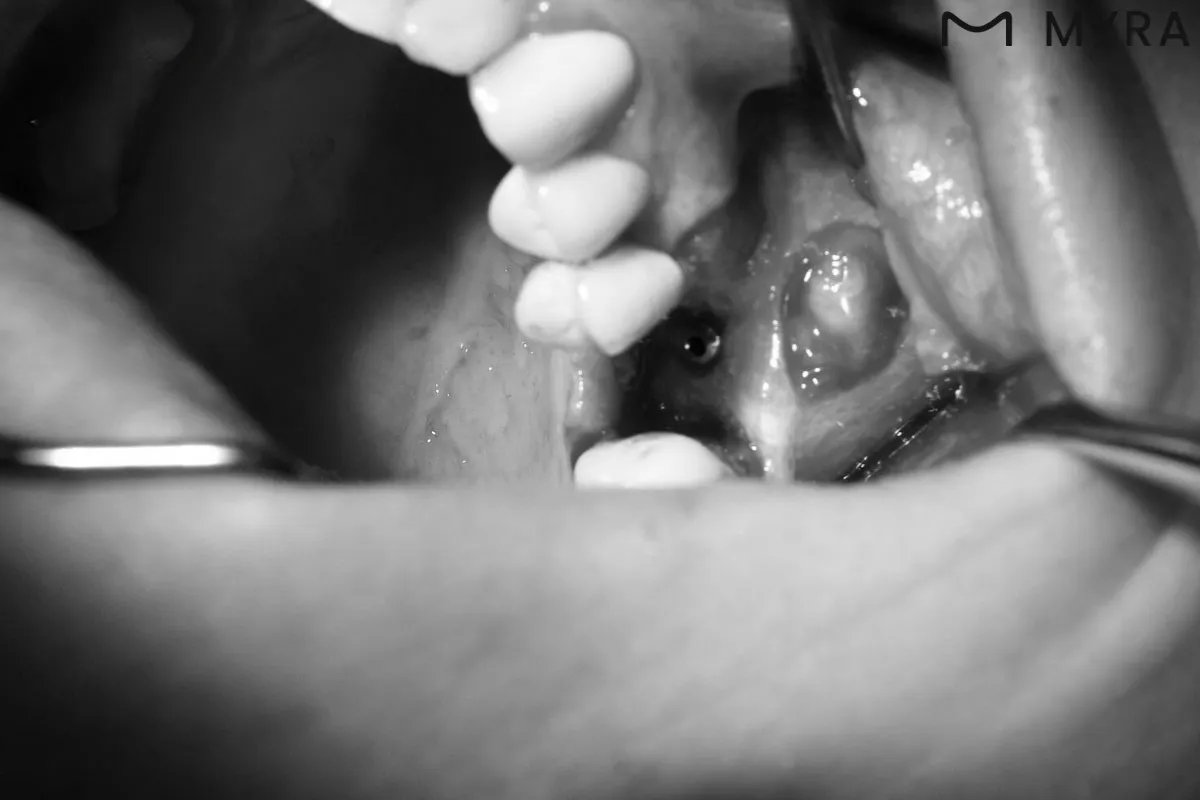
Identifying and Treating Failed Root Canal Therapy (RCT)
HomeMyra BlogIdentifying and Treating Failed Root Canal Therapy (RCT)
Dt. Erdem Çetin
Born in Stuttgart, Germany in 1979, Dr. Dt. Erdem Çetin began his education in Kırşehir and completed his schooling there, from primary school through to high school. He then successfully completed his university education at the Faculty of Dentistry at 19 Mayıs University in Samsun.
A failed root canal treatment (RCT) represents a significant concern in dental health. Root canal therapy involves the cleaning of infected or dead soft tissues within the tooth and filling the void with special materials. However, sometimes the treatment may not succeed, manifesting through various symptoms.
A failed RCT occurs when the tooth does not heal completely or becomes re-infected after the procedure. Failures in root canal therapy can lead to severe discomfort for patients and necessitate a re-start of the treatment process. This failure can happen due to the incomplete elimination of infection, complexities in the tooth's internal structure, or technical errors made during the initial procedure. This situation requires patients to return to their dentist for supplementary treatment.
8 Signs That Your Root Canal Treatment Has Failed
Root canal therapy is a procedure that begins with the removal of infected and necrotic tissue, known as the pulp, and then involves cleaning, shaping, and filling the tooth's root canals. While generally successful, failure can occur, and certain symptoms are key indicators. Early diagnosis and timely intervention are crucial for preserving the tooth.
Here are 8 signs indicating a failed root canal treatment:
1. Persistent or Recurrent Pain and Discomfort
The most common sign of a failed RCT is persistent or recurring tooth pain after the procedure. This pain is often felt when pressure is applied to the tooth or during chewing. A continuous, throbbing ache may also be present. This discomfort arises due to the infection reaching the bone or a recurrence of the infection.
2. Increased Tooth Sensitivity
A common symptom of RCT failure is increased sensitivity to heat. Since the nerves are normally removed during the procedure, persistent sensitivity, especially a pain that worsens with heat and is relieved by cold, is a significant sign of a problem.
3. Swelling and Tenderness
Swelling in the gums, jaw, or facial area is a critical indicator of a failed RCT. This swelling is usually a result of infection and can cause considerable distress. Tenderness, redness, and discolouration of the gums may accompany the swelling.
4. Pus or Inflamed Discharge in the Mouth
The presence of purulent or inflamed discharge, often manifesting as a fistula (a small pimple/boil) on the gums near the tooth root, is a clear sign of infection. Pus from infected tissues can also leave a foul taste in the mouth, indicating an urgent need for retreatment.
5. Discolouration of the Treated Tooth
Tooth discolouration is another sign of RCT failure. A tooth turning brown or blue post-RCT can indicate that the internal tissues were not thoroughly cleaned or that the filling material itself has caused staining. This can be purely an aesthetic issue, continuing painlessly without other symptoms.
6. Fistula Formation (Pimple/Abscess) on the Gum
The recurrence of a fistula or abscess (pus pocket) on the gum is a frequent sign of a failed RCT. A fistula is a small channel allowing the internal infection to drain onto the gum surface. This condition suggests the infection has become chronic and requires immediate treatment.
7. Chronic Sinus Issues
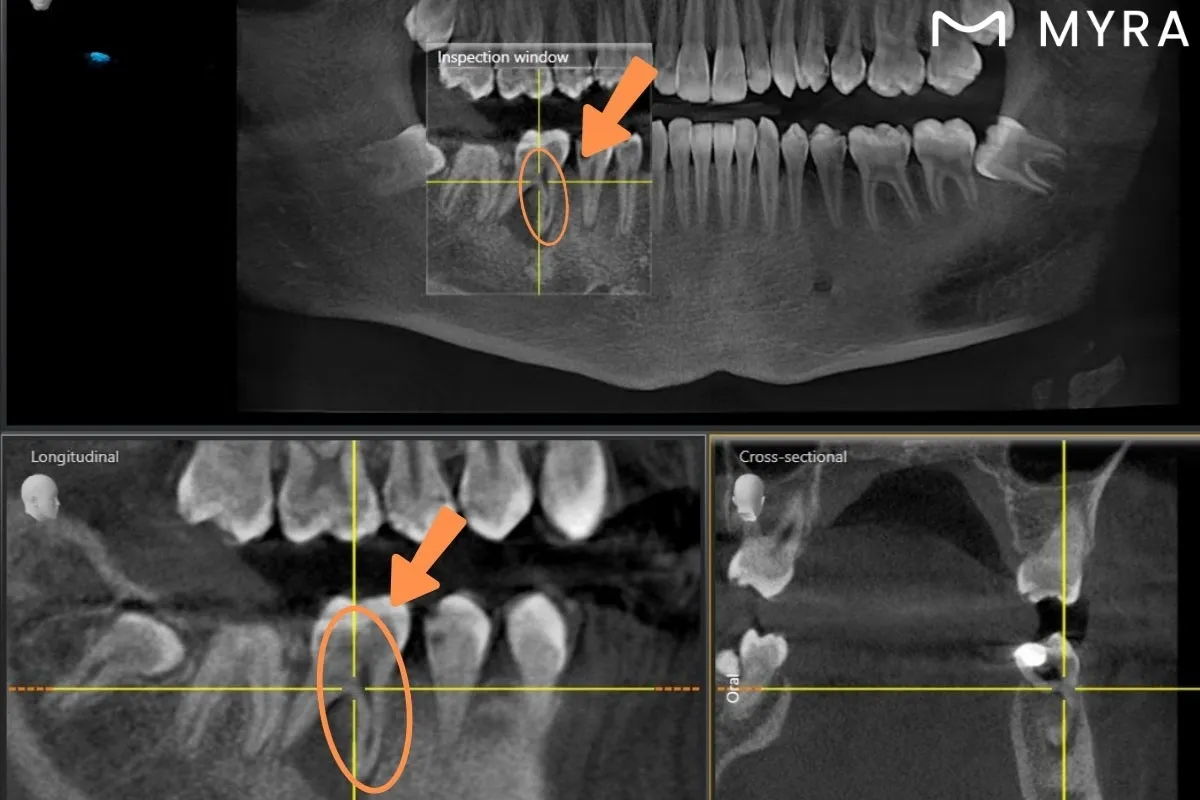
Sinus problems resulting from the proximity of upper tooth roots to the sinus cavity can indicate a failed RCT. These may include symptoms like chronic sinusitis, nasal congestion, and headaches. If sinus issues arise after an upper jaw RCT, it is vital to check if the tooth is the source. This requires advanced imaging like a Waters view radiograph or a Cone Beam CT scan (CBCT).
8. Radiological Findings: Radicular Cyst or Granuloma
In some cases, a failed RCT may be asymptomatic. In these situations, routine dental check-ups using X-rays may reveal the failure. An infection at the tooth root is diagnosed radiologically as a cyst or granuloma. Asymptomatic failures can spread the infection and lead to more serious issues. Radicular cysts are prone to continuous growth.
Understanding the causes of a failed RCT is crucial for identifying key points of caution during treatment. Proper procedures and regular check-ups help enhance the success rate of root canal therapy.
Why Does Root Canal Treatment Fail?
The failure of RCT can stem from issues encountered during the procedure, the tooth's anatomical structure, and problems related to post-treatment care. To prevent failure, it is essential that the treatment is performed by an expert dental professional using appropriate materials.
The primary reasons for RCT failure include:
Incomplete Cleaning of the Root Canal: This is one of the most common causes. The internal root canal structure can be complex, making it difficult or sometimes impossible to completely clean all channels. Insufficient cleaning allows bacteria to remain, perpetuating the infection. The expertise of the dentist and the quality of the materials are paramount here.
Delay in Placing the Permanent Crown or Restoration: After RCT, a temporary filling is placed, which must be replaced with a permanent crown or restoration. Delaying this step can lead to the re-infection of the tooth. A properly and timely placed permanent restoration protects the tooth and significantly reduces the risk of complications.
Dental Trauma: The formation of a crack or fracture in the tooth can lead to RCT failure by allowing new infections to develop. Any tooth that has undergone RCT must be fully restored, ideally with an inlay/onlay or a full coverage crown, to prevent such issues.
Saliva Contamination: Contamination of the treatment site with saliva and bacteria during the procedure can lead to failure. Bacteria in the saliva can enter the tooth's internal structure and spread the infection. Strict adherence to isolation protocols (like using a rubber dam) during treatment is essential to minimise infection risk and maximise success.
Poorly Fitted Fillings or Crowns: Inappropriately placed restorations can cause secondary decay, allowing bacteria to penetrate the tooth and trigger re-infection. The experience and meticulousness of the clinician are critical in ensuring proper placement.
How to Correct a Failed Root Canal Treatment
After a failed RCT, specific retreatment methods can be employed to restore dental health. These methods are determined based on the tooth's current status, the extent of infection, and the patient's overall health.
Here are the detailed corrective procedures for a failed root canal:
1. Non-Surgical Root Canal Retreatment
The most common method to correct a failed RCT is to perform a second root canal treatment (Retreatment). This procedure is applied when the initial treatment was incomplete or unsuccessful. The existing filling material is removed, and the root canals are cleaned again. After thorough disinfection and shaping of the canals, they are refilled and sealed to prevent leakage. Retreatment aims to completely eradicate the infection and allow the tooth to function healthily.
2. Apical Resection (Apicectomy)
Apicectomy is a surgical procedure to remove the infected tissue at the root end (apex). It is typically preferred when non-surgical retreatment has failed, or the infection is concentrated at the root tip. Before apicectomy, the canal treatment is often renewed with a slight overflow of filling material to prepare the case. The gum is incised to access the root tip, and the infected tissue is carefully removed. Apicectomy helps save the tooth by preventing the spread of infection.
3. Tooth Extraction and Implant Placement
If retreatment or apical surgery is deemed insufficient or the tooth cannot be saved after RCT failure, extraction may be necessary. Replacing the extracted tooth with a dental implant preserves the jawbone and fills the gap. A dental implant mimics the tooth root, upon which an artificial tooth (crown) is placed. Implants offer a functionally and aesthetically satisfying solution, often considered the most ideal treatment method after extraction. Furthermore, in suitable cases, immediate implant placement (implant placement at the same appointment as the extraction) can be performed, shortening the overall treatment time.
The corrective treatment for a failed RCT must be determined by a dental professional based on the tooth's condition and the patient's needs. Selecting the appropriate treatment plan contributes to the recovery of oral health and improves the patient's quality of life.
While root canal therapy may appear simple, it is a technically complex procedure requiring significant expertise and experience. To prevent failures, it is vital that the treatment is performed by experienced, specialised dental professionals.
At Myra Dental Centre in Antalya, we provide our patients with established treatment protocols, utilizing appropriate equipment and methods. From the materials used to the treatment techniques, we work meticulously at every stage of the root canal process to safeguard our patients' dental health and ensure long-term satisfaction post-treatment.